One of the most practical questions a franchise candidate can ask is: what will I actually be doing every day? Business models, market data, and financial projections matter, but so does understanding what the work looks like day-to-day. Here is an honest look at franchise ownership at Alloy Wheel Repair Specialists.
Starting as an Owner-Operator
Most AWRS franchisees begin as owner-operators. You are the technician. You drive the mobile reconditioning unit, show up at pre-arranged client locations, and perform the repairs yourself. This model keeps overhead low and allows you to build client relationships directly while learning the business from the inside out.
AWRS estimates that franchisees can be open and generating revenue within 60 to 90 days of signing an agreement. As revenue grows and the client base expands to support it, franchisees can scale by hiring technicians, adding mobile units, expanding into additional territories, and eventually transitioning into a management and growth role.
A Typical Day in the Field
The workday is straightforward and structured. Typical business hours run from 8 a.m. to 5 p.m., Monday through Friday. The day begins with a scheduled service visit at a client location, typically a dealership, auto body shop, or fleet operator.
Once on site, the client identifies which vehicles need attention that day. Larger clients often schedule a regular weekly visit and provide four to ten wheels for repair at a time. That consistency is one of the defining features of the AWRS model. It is not a business built on chasing one-time jobs.
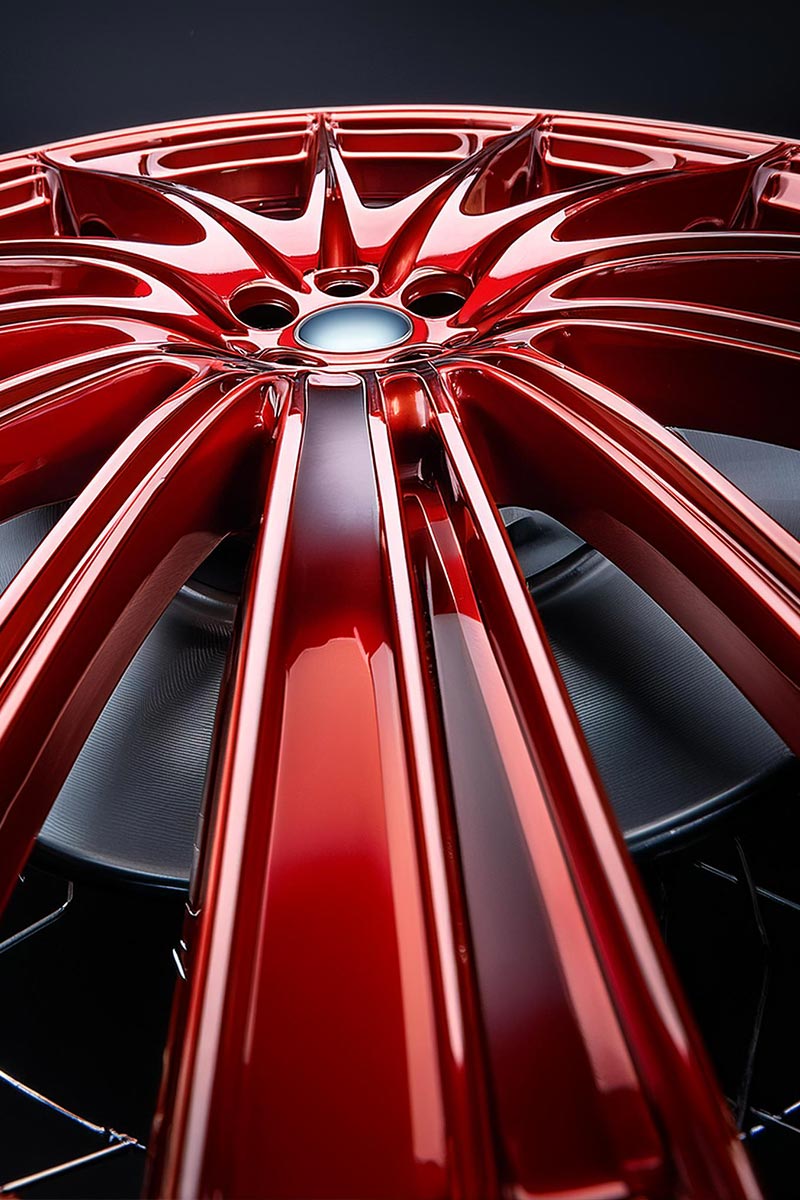
A typical repair follows a defined process: sand off road rash and imperfections, paint and color-match the wheel, remount the tire, and put the wheel back on the vehicle. The mobile reconditioning unit serves as a self-contained workspace at the client’s location. Each repair takes approximately 45 to 60 minutes and generates $130 to $150 per wheel.
Building and Managing Client Relationships
Business development is a big part of the job, particularly in the early stages. Franchisees make sales calls and introduce themselves to potential clients, such as auto dealerships, body shops, auto repair shops, and fleet operators in their territory. The goal is to earn the business and become their go-to wheel repair vendor.
Once a relationship is established, the dynamic shifts. AWRS franchisees benefit from a B2B model where established accounts tend to generate repeat work week after week. The pressure of constant new customer acquisition diminishes as the client base matures. That said, prospecting and continuing to grow the client base is something successful operators never stop doing.
AWRS also supports franchisees through its National Claims Department, which routes insurance and warranty repair work from major carriers including Progressive, State Farm, GEICO, Allstate, and USAA to local franchisees. National accounts such as CarMax can also provide additional work beyond what franchisees develop locally. These institutionalized channels can help to supplement the relationships franchisees build on their own.
Leading a Team
If the business grows large enough, the franchise owner’s role shifts toward people management. Each mobile unit operates with one technician. With multiple mobile units, the owner takes responsibility for hiring, scheduling, and overseeing performance across the fleet. Franchisees coordinate client visits, manage route efficiency, make sure technicians arrive on time and fully equipped, and oversee client relationships.
Prior management experience is not required, but the right disposition matters. The profile of a successful AWRS franchisee includes being service-oriented, dependable, growth-minded, and comfortable working with people. Managing a team of technicians across multiple routes is as much an operational coordination job as it is a leadership position.
AWRS supports franchisees through this transition with profitability coaching, a designated corporate support contact, and access to the National Franchise Council, a group of franchisees that meets directly with AWRS leadership to address operational concerns and share best practices.
Managing the Numbers
Tracking financial performance is a core responsibility at every stage of the business. For an owner-operator, the key variables are straightforward: revenue per wheel, number of wheels completed per day, and operating costs. For a multi-unit owner, the picture expands to include labor costs, fuel, vehicle maintenance, and performance by technician and route.
The AWRS model is structured to keep costs manageable. There is no real estate lease or storefront. Materials costs are modest, since the work is primarily skill- and labor-based. Those structural advantages make the financial side of the business more straightforward than many comparable service franchises. AWRS also provides profitability coaching as part of its ongoing support, giving franchisees a resource for interpreting their numbers and identifying opportunities to improve performance.
Is This the Right Fit?
The AWRS franchise is not a passive investment. It requires consistent effort, strong client relationships, and active management of daily operations. What it offers in return is a structured business model, a defined customer base, recurring revenue potential from established accounts, and a clear growth path.
To learn more about Alloy Wheel Repair Specialists, visit the franchise website and download the Franchise Information Guide.