Every franchise business begins with a basic question: Why will customers buy what it sells?
For Alloy Wheel Repair Specialists (AWRS), the answer begins with a common problem. Damaged wheels need attention, but many automotive businesses lack the equipment, training, or capacity to handle the work themselves.
AWRS fills that gap by bringing specialized wheel repair services directly to the customer’s location. The result is a service designed around several practical considerations: cost, convenience, quality, reliability, and expertise.
For a prospective franchisee, understanding why customers choose AWRS provides an important perspective when evaluating the business behind the franchise.
AWRS Solves a Problem Many Automotive Businesses Outsource
Wheel damage is common across the automotive industry. Dealerships encounter damaged wheels while reconditioning used vehicles. Collision centers see wheel damage as part of accident repairs. Tire retailers, fleet operators, and other automotive businesses also regularly encounter bent, scratched, or otherwise damaged wheels.
However, wheel repair requires specialized equipment and technical expertise. Many of these businesses do not perform the service internally.
Instead, they can turn to a specialist equipped to handle the work. AWRS fills that role.
The company focuses on wheel repair, refinishing, straightening, remanufacturing, custom coloring, and OEM replacement. This specialization lets automotive businesses address damaged wheels without developing that capability in-house.
Repair Can Provide a Cost-Effective Alternative to Replacement
The economics of the repair also helps explain customer demand.
A typical AWRS wheel repair costs approximately $150. Replacing a wheel can cost $600 or more, depending on the wheel and vehicle.
That difference gives customers a practical reason to consider repair when the damaged wheel can be safely restored. The customer may have a substantially less expensive option.
For commercial customers, the value extends beyond the immediate repair cost.
A dealership preparing a used vehicle for sale wants the vehicle to look its best. Damaged wheels can detract from the vehicle’s overall appearance. AWRS notes that reconditioned wheels can help improve the value of vehicles being prepared for resale.
For collision centers, repairing an eligible wheel can provide a less expensive alternative to replacement while helping move the vehicle through the repair process.
In each case, the service addresses a specific economic or operational problem.
Mobile Service Brings the Repair to the Customer
Convenience becomes particularly important in a B2B service model.
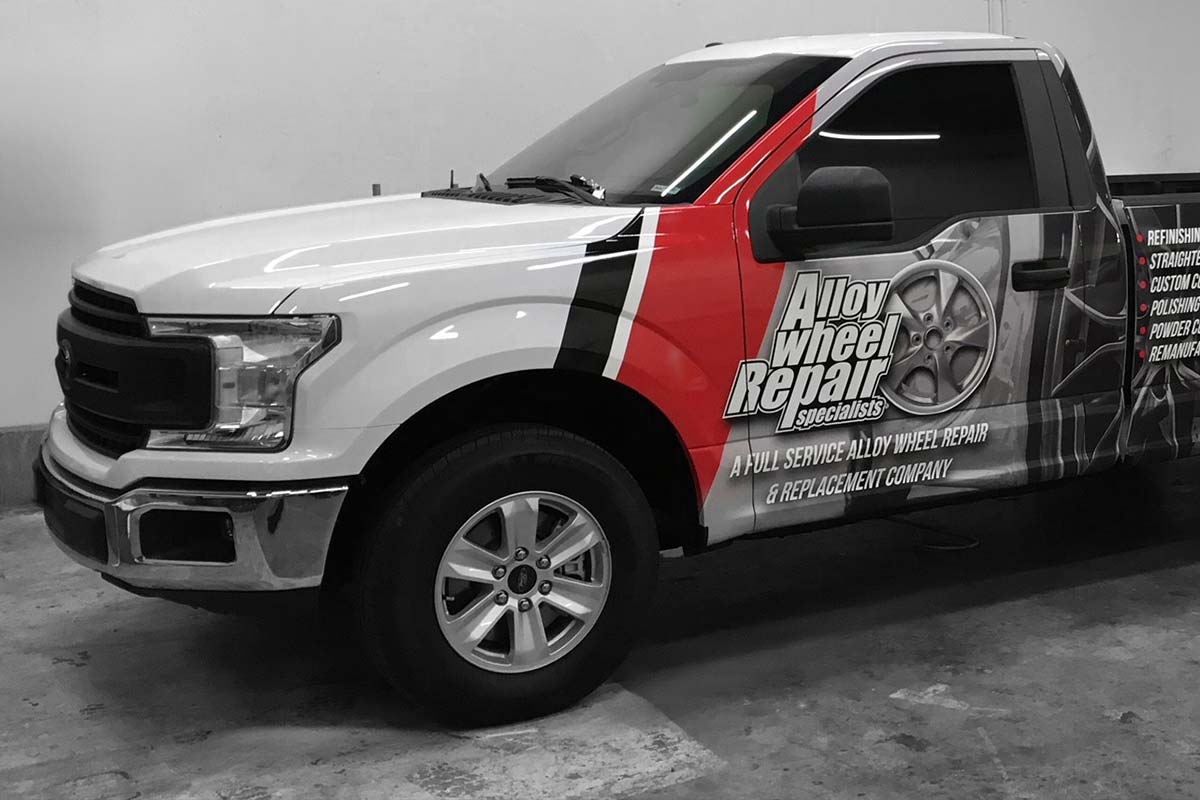
AWRS franchisees perform repairs from self-contained mobile units at the customer’s location. Dealerships and collision centers do not need to dedicate repair bays or transport wheels to an off-site location.
AWRS technicians can work onsite while the customer’s employees continue handling other parts of the vehicle.
For a business managing multiple vehicles, that structure can become part of the normal reconditioning process. AWRS states that larger clients may provide four to ten wheels during a scheduled visit and request service on a predictable weekly schedule.
The mobile model therefore does more than eliminate a trip to a repair facility. It can fit the service into the customer’s existing workflow.
Specialization Supports Service Quality
Convenience matters only if the repair meets the customer’s expectations.
AWRS trains and certifies its technicians in specialized wheel repair processes. The company has researched and evaluated its repair procedures, with service practices focused on both repair quality and consumer safety.
Its services address different types of wheel damage. Technicians can refinish cosmetic damage, straighten certain bent wheels, repair some cracked wheels, and handle custom coloring. Wheels with more extensive damage may require remanufacturing or replacement.
AWRS also backs its work with a limited lifetime warranty covering certain workmanship defects.
Together, these elements provide commercial customers with a defined service process backed by a national brand.
Dependability Matters in a B2B Relationship
Commercial customers evaluate vendors differently than consumers making a single purchase.
Automotive businesses that regularly handle vehicles may need ongoing wheel repair services. That makes responsiveness, turnaround time, and reliability important parts of the value proposition.
AWRS identifies dependability as one reason customers choose the company. The objective is simple: show up when expected and complete the work on time.
That matters because wheel repair often represents one step in a larger process. A dealership may be preparing a vehicle for sale. A collision center may be working toward a delivery date. Delays in one service can affect the rest of the workflow.
A dependable specialist can therefore become more valuable as the relationship develops.
Good Service Can Turn Individual Jobs Into Ongoing Accounts
The customer relationship also helps explain the recurring nature of the AWRS business model. Commercial customers often encounter wheel damage as an ongoing part of their operations.
When a franchisee consistently delivers quality work and dependable service, the relationship can extend beyond a single repair. The customer knows who to call when they encounter another damaged wheel.
This does not make repeat business automatic. Franchisees still need to earn and maintain those relationships. Service quality, professionalism, responsiveness, and reliability remain important.
However, the underlying customer need can recur. That creates an opportunity to build accounts that generate repeat business.
Evaluating the Business From the Customer’s Perspective
Franchise candidates naturally evaluate investment costs, training, territory structure, and growth potential. But understanding why customers choose the business is just as important.
For a prospective AWRS franchisee, the question is not simply what the business sells. It is whether customers have practical reasons to buy the service, use it again, and make it part of their ongoing operations. AWRS addresses each of these considerations through a service built around an established customer need, practical value, and ongoing commercial relationships.
To learn more about Alloy Wheel Repair Specialists, visit the franchise website and download the Franchise Information Guide.