Experienced franchise investors often evaluate opportunities differently than first-time buyers. Instead of focusing primarily on branding or consumer trends, they typically assess how the business operates over the long term. They closely examine revenue stability, operational structure, scalability, customer acquisition, and long-term market positioning.
Alloy Wheel Repair Specialists (AWRS) incorporates many of the characteristics sophisticated investors often prioritize when evaluating a business-to-business automotive franchise model.
Repeat Revenue and Customer Behavior
Recurring demand is one of the most important characteristics investors evaluate in a B2B franchise. Businesses that rely heavily on one-time consumer transactions can experience less predictable revenue patterns. Many investors instead prefer models that become integrated into ongoing commercial workflows.
AWRS primarily serves dealerships, collision shops, body shops, rental agencies, tire retailers, and fleet operators. These businesses manage a continuous flow of vehicles requiring reconditioning and cosmetic repair.
This structure creates repeat business relationships rather than isolated retail transactions. As franchisees consistently deliver reliable service and turnaround times, they can become integrated into their clients’ ongoing operations. Consistent commercial demand can support more stable forecasting and operational planning.
Operational Simplicity
Experienced operators often avoid businesses requiring large facilities, extensive inventory, or highly complex operations. Simpler operating structures can reduce overhead and allow owners to focus more directly on execution.
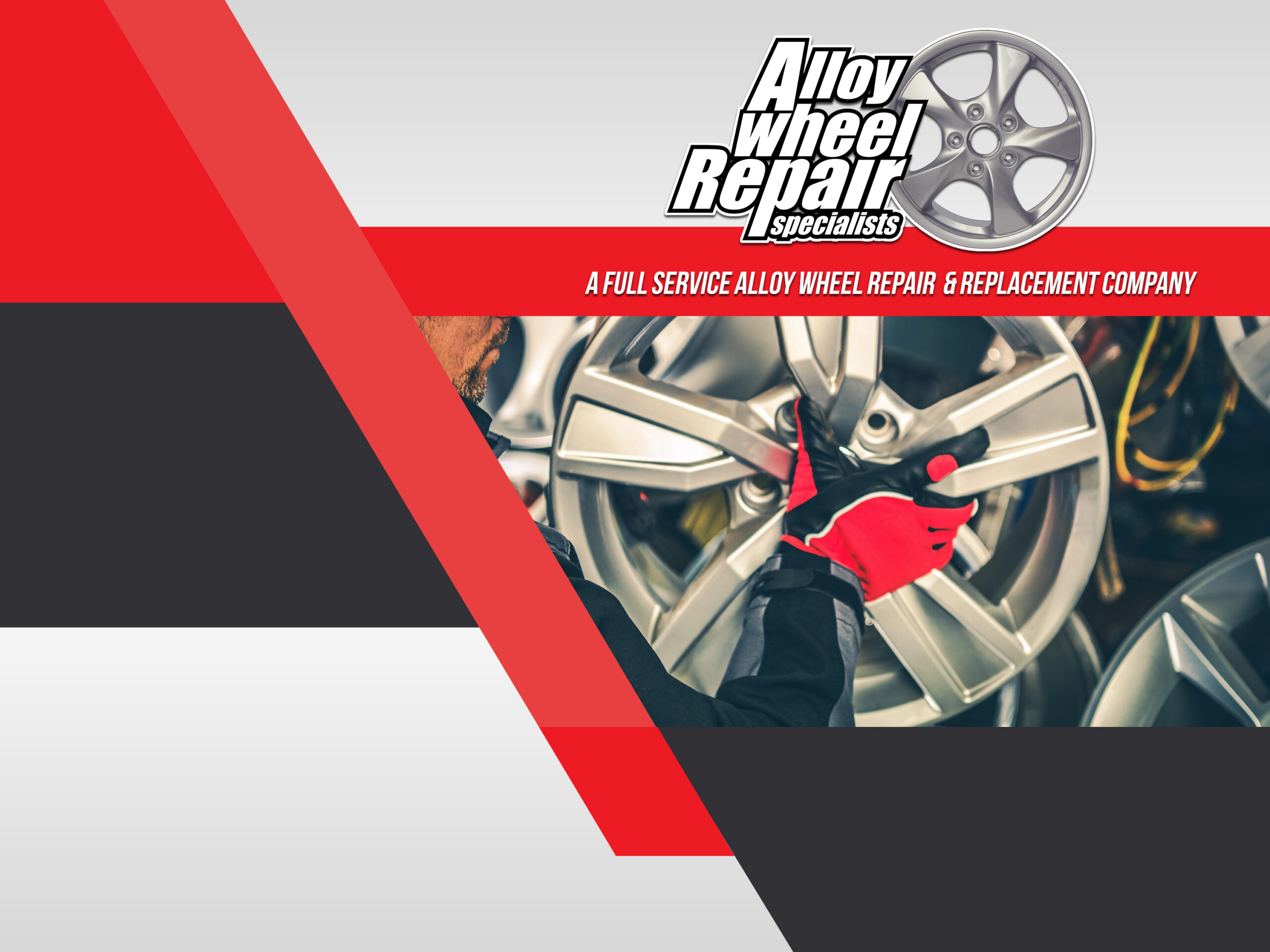
AWRS operates through a mobile service model. Franchisees travel directly to client locations rather than managing a traditional repair facility. Each operator works from a custom-equipped mobile reconditioning unit designed to perform on-site cosmetic wheel repairs. The business focuses on a specialized service within automotive reconditioning rather than broad automotive repair.
This focused business model can simplify training, reduce facility costs, reduce operational complexity, and support more consistent execution across the business.
Scalability Beyond the Owner
A business’s ability to grow beyond a single owner-operator model is another important consideration. Businesses with multiple expansion paths can create greater long-term flexibility.
AWRS provides several potential growth paths. Franchisees can begin as owner-operators, add technicians and mobile service units, expand their commercial client base within an existing territory, and acquire additional territories as demand grows. This structure allows owners to scale through operational volume and customer relationships, allowing growth to follow existing customer demand and commercial relationships rather than relying solely on a single location.
Defensibility and Specialized Positioning
General automotive service businesses can face heavy competition and pricing pressure. Investors often evaluate whether a business occupies a more specialized position within the market.
AWRS focuses specifically on wheel repair and refinishing. The business uses specialized equipment, technical training, and a defined repair process. Many dealerships, collision centers, and repair facilities outsource this work rather than performing it internally because wheel repair requires dedicated equipment, technical skills, and additional operational capacity. This specialized positioning helps distinguish the business from more general automotive service providers.
The company also provides protected territories. These territory structures allow franchisees to develop commercial relationships within a defined market without competing directly against other AWRS operators in the same area. For experienced investors, a clearly defined territory structure can support more focused market development and long-term relationship building.
Customer Acquisition Efficiency
Customer acquisition efficiency is another major consideration in B2B franchise systems. Businesses that generate repeat commercial relationships often operate differently from models that depend on constant consumer advertising.
AWRS franchisees operate within an existing automotive ecosystem. Commercial clients already require wheel repair services as part of their operations. In many cases, dealerships, repair facilities, and collision shops effectively become ongoing referral sources.
AWRS also supports franchisees through a claims department and national account relationships. These systems can help connect franchisees with additional repair opportunities, streamline claims-related work, and supplement locally developed business relationships.
Labor Structure and Unit Economics
Labor efficiency and operating margins are also important evaluation criteria. Labor-heavy businesses can become difficult to scale if payroll costs rise too aggressively.
AWRS states that technician labor typically accounts for less than 40% of revenue when franchisees employ technicians rather than operating solely as owner-operators. Product costs are also described as low. Mobile operations may avoid many of the facility costs associated with traditional repair shops, including large buildings and higher overhead. Wheel repair can also offer a strong value proposition for customers. AWRS notes that repairing a damaged wheel costs about $150, while replacement can cost $600 or more.
Together, these dynamics support a more efficient operating structure and stronger unit-level economics.
Training and System Support
Franchise systems must also demonstrate that they can consistently train and support operators. Consistent execution matters when businesses expand across multiple territories and technicians.
AWRS provides 13 days of onboarding that includes technical training, field training, and marketing instruction. Franchisees learn cosmetic wheel repair techniques, observe live operations, and receive guidance on developing commercial relationships within their territory.
Support continues after onboarding and into day-to-day operations. Franchisees have access to technical assistance, profitability coaching, national account development, ongoing training resources, and a designated support contact. The system also includes a claims department and a National Franchise Council that allows franchisees to communicate directly with leadership regarding operational needs and system development.
This support structure helps franchisees learn both the technical and business aspects of the model while reinforcing a more standardized and repeatable operating model.
How the Model Comes Together
Experienced franchise investors often evaluate how business fundamentals work together rather than focusing on a single metric. Repeat commercial demand, operational simplicity, specialized positioning, scalable growth paths, and structured support systems can all influence long-term business performance.
AWRS combines these characteristics within a mobile B2B automotive model centered on specialized wheel repair and reconditioning. For candidates evaluating automotive franchise ownership through an investment and operational lens, these factors help explain why the model continues expanding across multiple markets.
To learn more about Alloy Wheel Repair Specialists, visit the franchise website and download the Franchise Information Guide.